+91 9979740101
 contact@blueribbonsolution.com



 Let’s Talk
Start with what visitors need to do
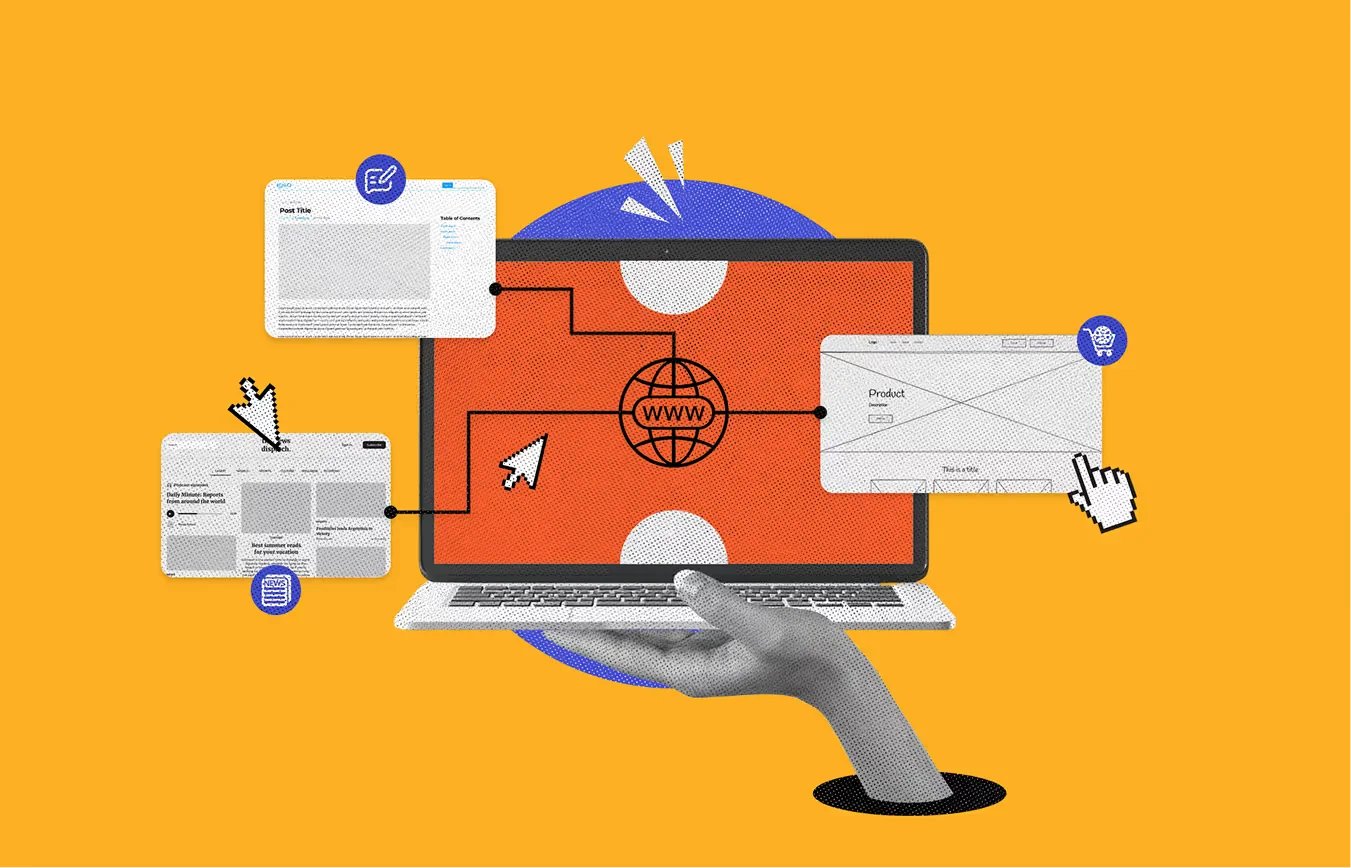
A website primarily helps people read, explore and contact you. A web application helps them carry out ongoing tasks, often with personal data, accounts or saved progress. Many products combine both: public pages explain an offer while a signed-in area delivers the service. The right scope comes from the tasks your customers need, rather than the label attached to the project.
When a website is enough
A service business may need clear service pages, case studies, articles, a contact form and hiring information. Those requirements do not automatically call for customer accounts or a complex database. Keeping public content in files can be a practical choice when updates are infrequent and someone is comfortable making reviewed code changes.
When application features become useful
Booking management, customer dashboards, approvals and collaborative work introduce state that must be saved and protected. Once different people need different permissions, the project must account for authentication, authorization, validation and recovery. These are product requirements, not details to add at the end.
Budget for the complete lifecycle
Compare more than the first build. Consider who updates content, how changes are tested, where files are stored and what happens if an integration fails. A simple website still needs maintenance. A web application adds responsibilities around user data, access and operational support.
Choose the smallest complete first release
Write down the primary customer journey and separate essential features from later ideas. Launch a complete version of that journey, then learn from actual use. A well-built website can later connect to application services without making every public page depend on a database today.